
The Best Fluffy Pancakes recipe you will fall in love with. Full of tips and tricks to help you make the best pancakes.
Benriner Mandoline — Even Slices, Every Time
Dial in the thickness you want, from paper-thin to thick-cut, and slice vegetables in seconds.
Best Sellers
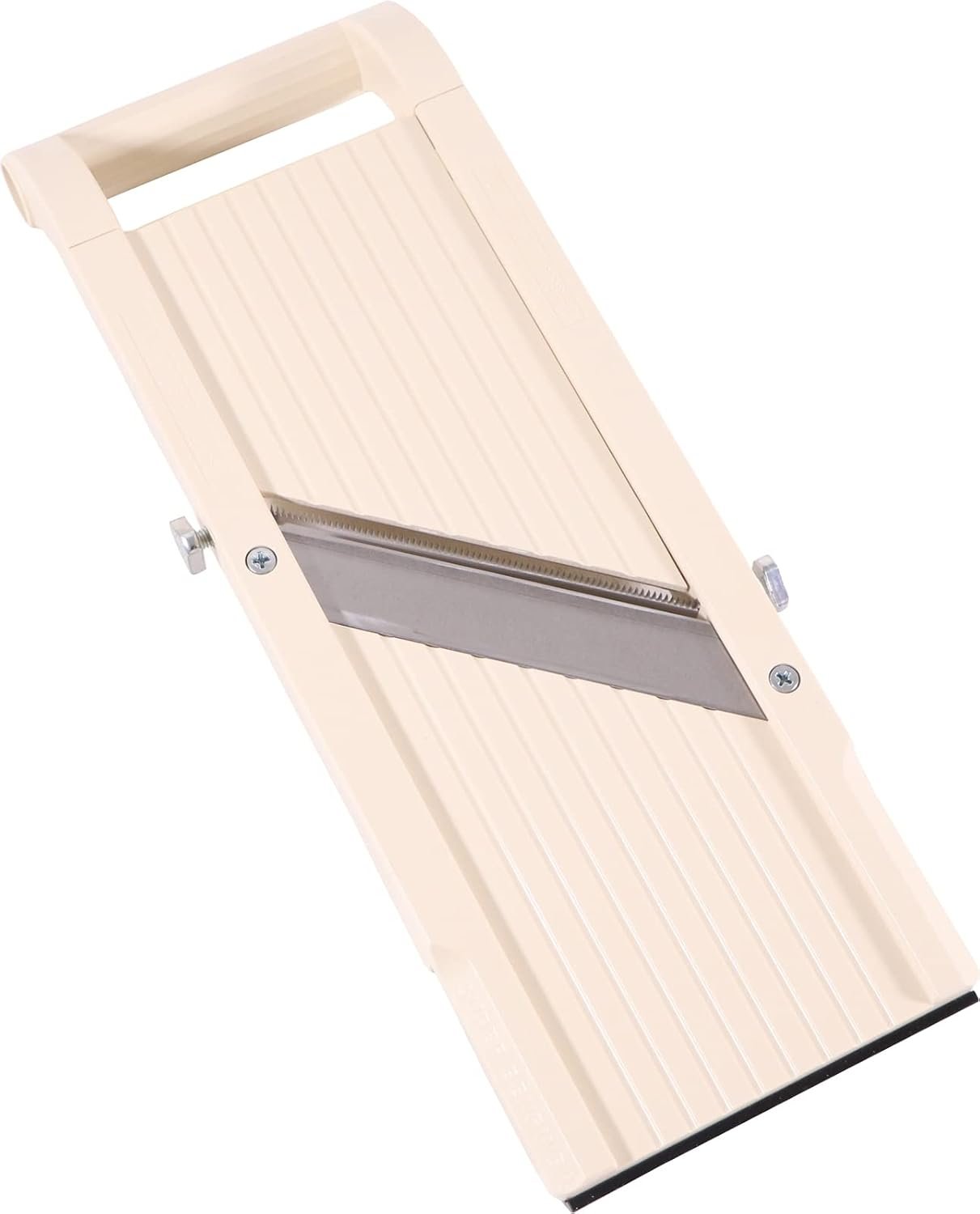
Slicer with 4 Stainless Steel Blades
Slicer effortlessly cuts medium-sized vegetables into uniform slices, ensuring even cooking and an attractive presentation.
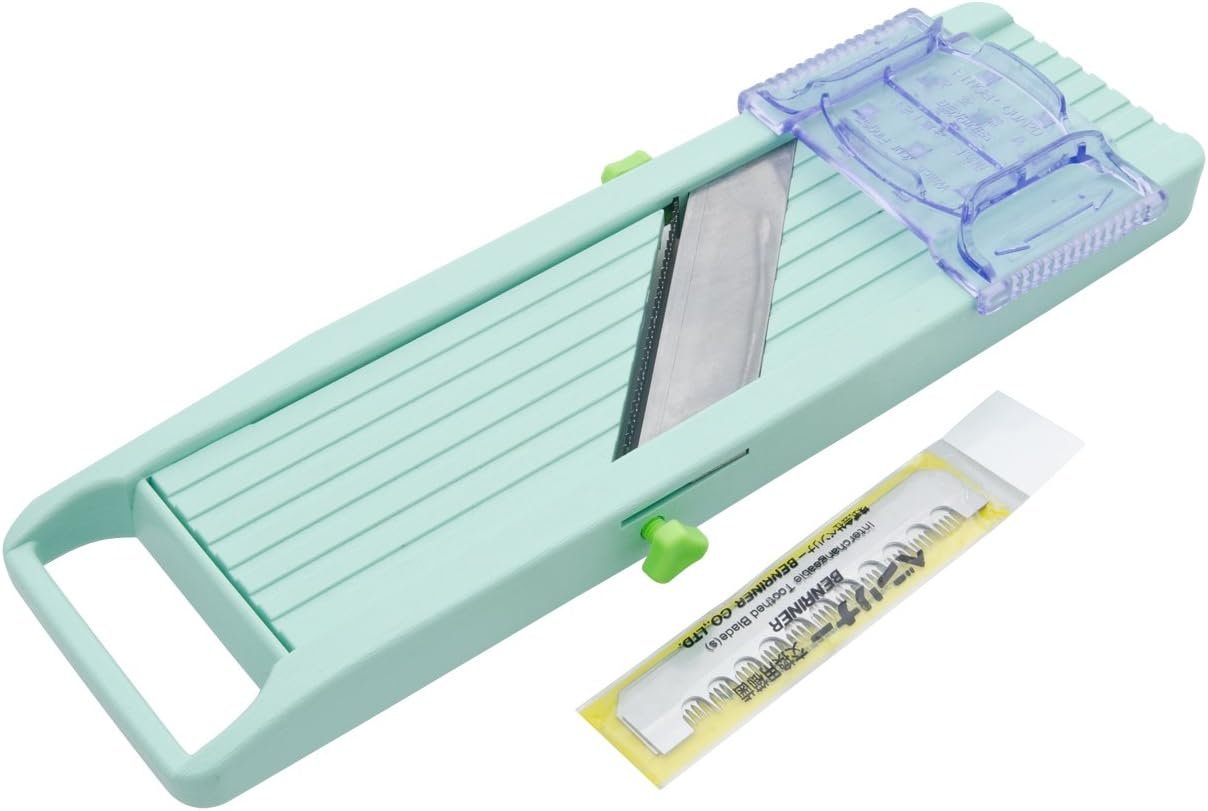
Japanese Vegetable Slicer
The Benriner also features coarse replaceable blades, allowing you to cut slices in three different sizes.
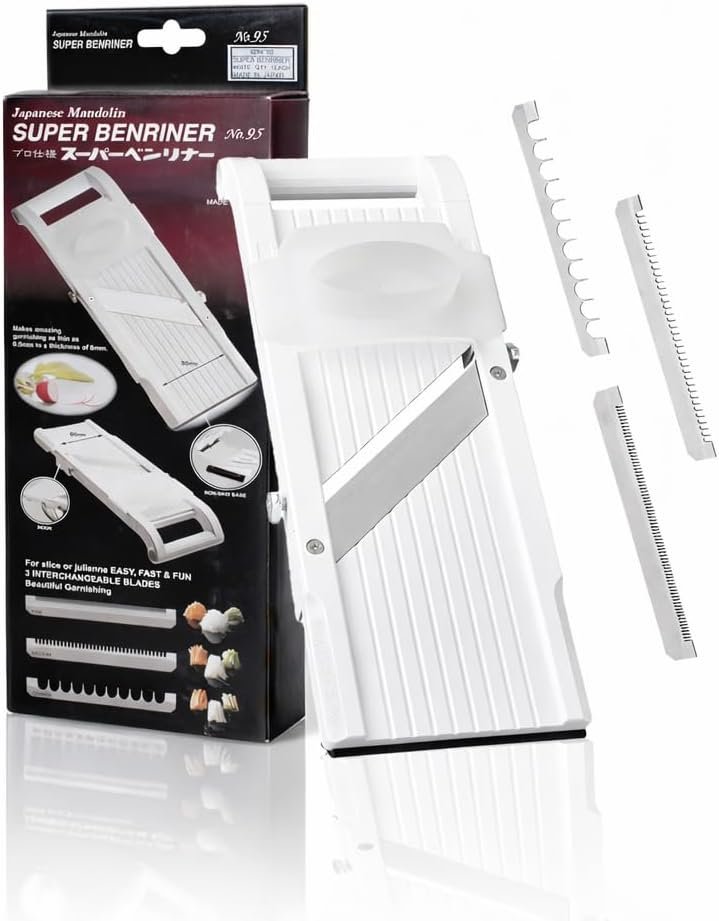
Slicer with 4 Stainless Steel Blades
Made with handcrafted Japanese stainless steel blades and a BPA-free plastic body, measures 14.5 x 5.25 inches.
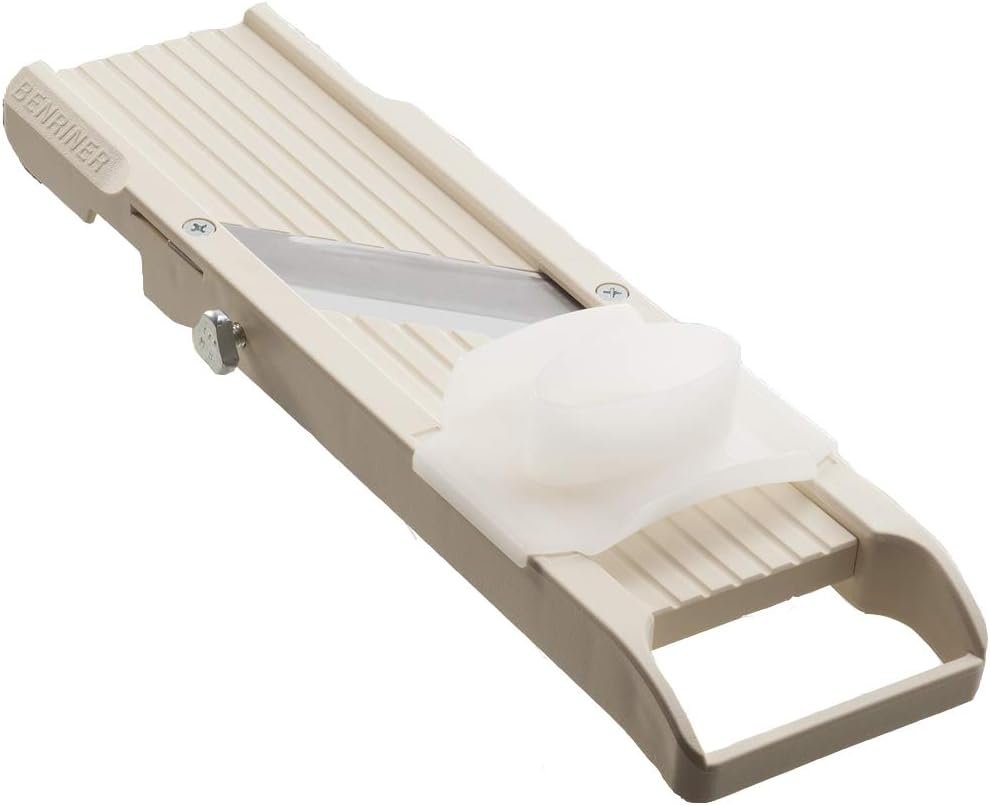
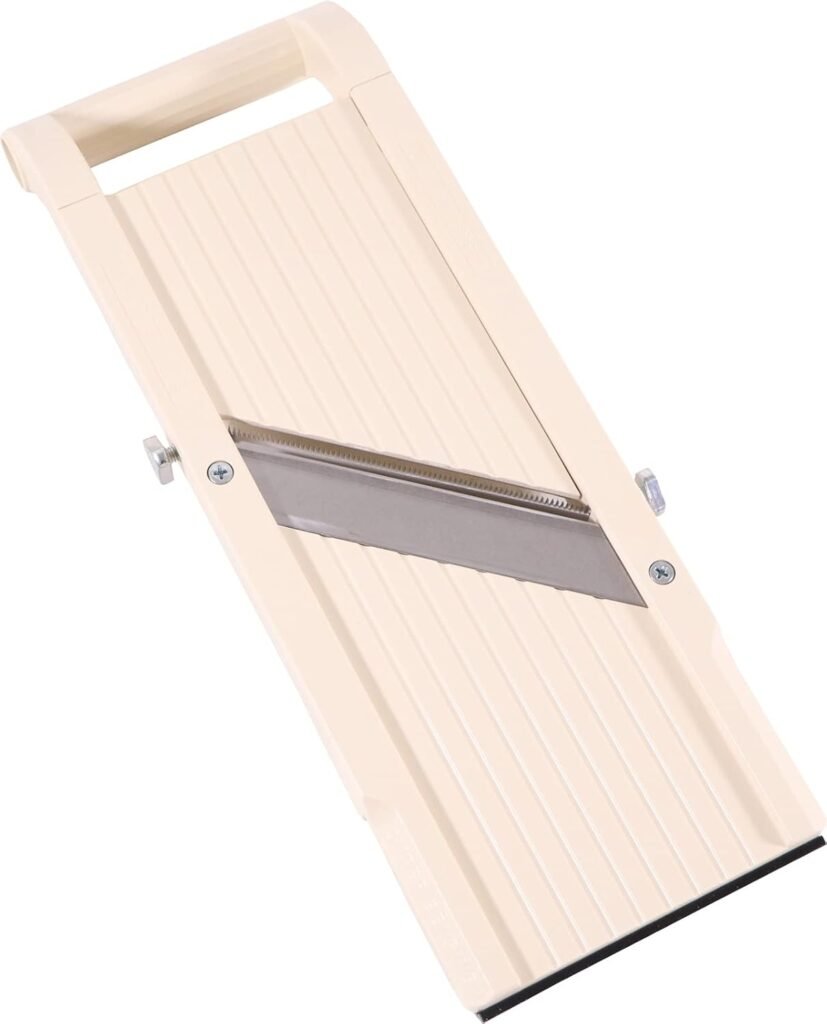
Mandolin Ivory Vegetable Slicer
This slicer features a ledge that hooks onto the rims of bowls to collect slices, an easy-to-use dial for adjusting thickness.
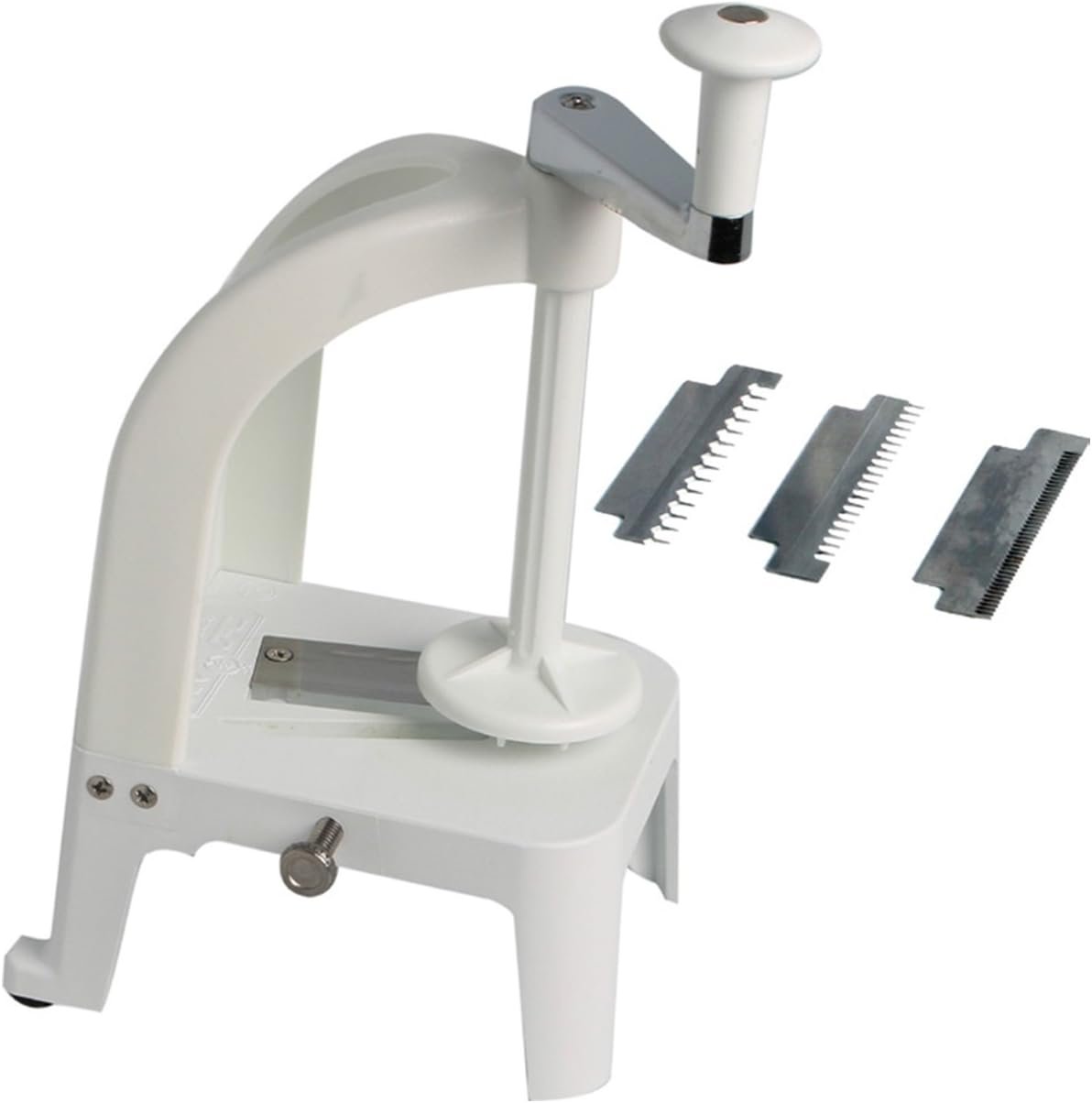
Professional Vegetable Slicer
This professional-grade vegetable slicer is designed for commercial use, featuring a lightweight construction that makes it easy to handle.
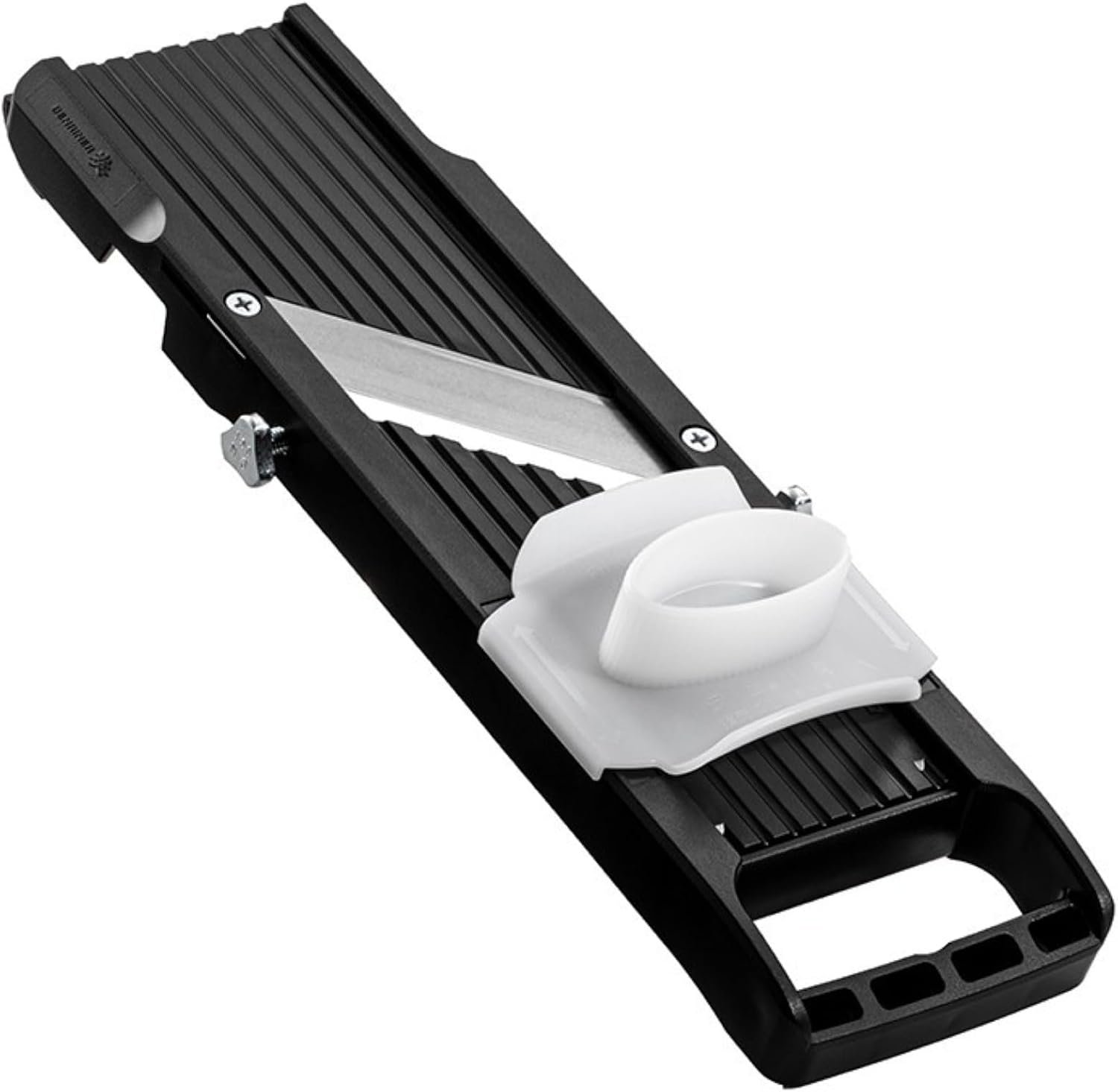
Slicer Black Thickness Adjustable
Made with ABS and PP resin, stainless steel blades and comb teeth, and elastomer anti-slip components. Cutting board width: 2.5 inches (64 mm).
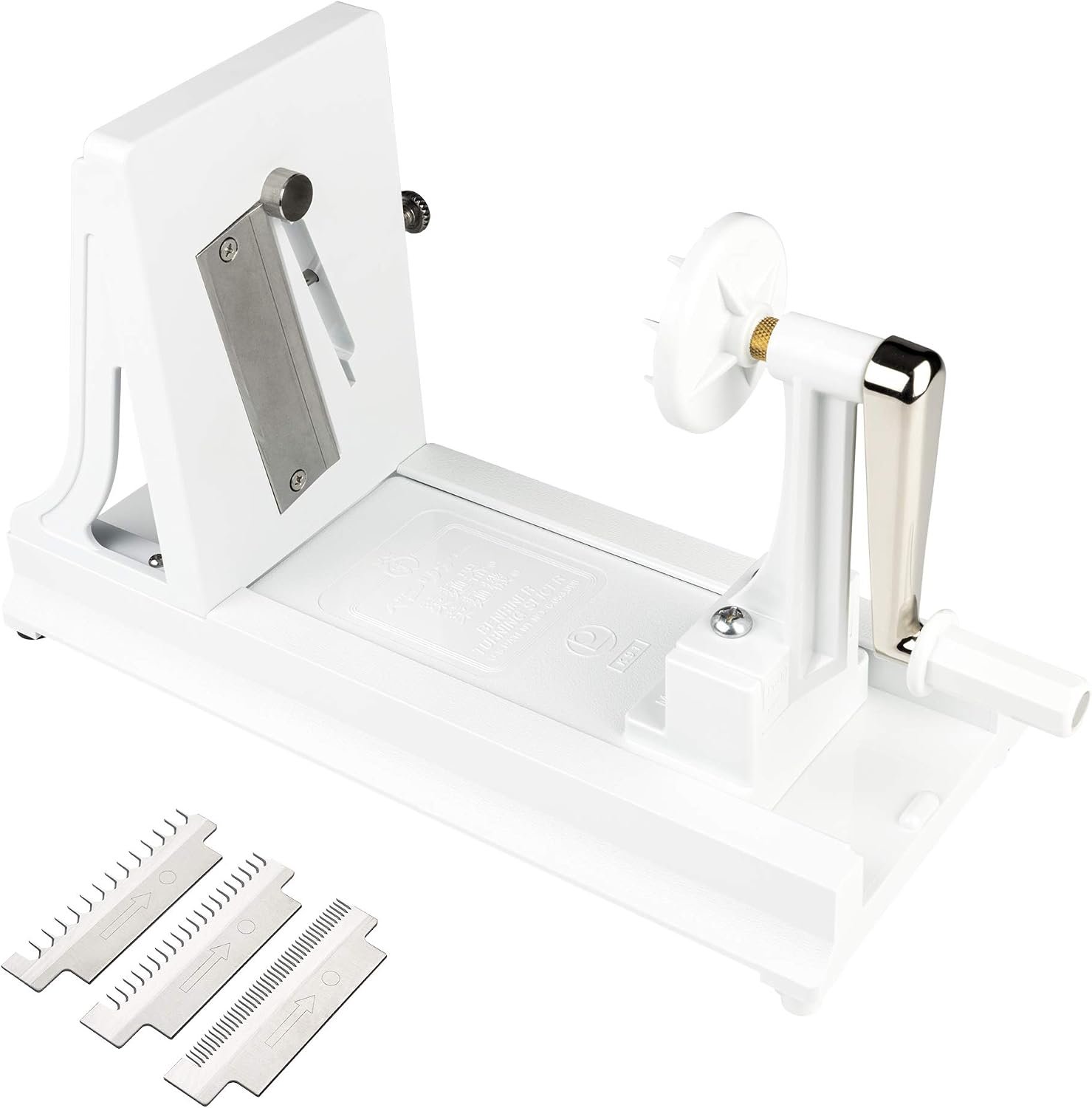
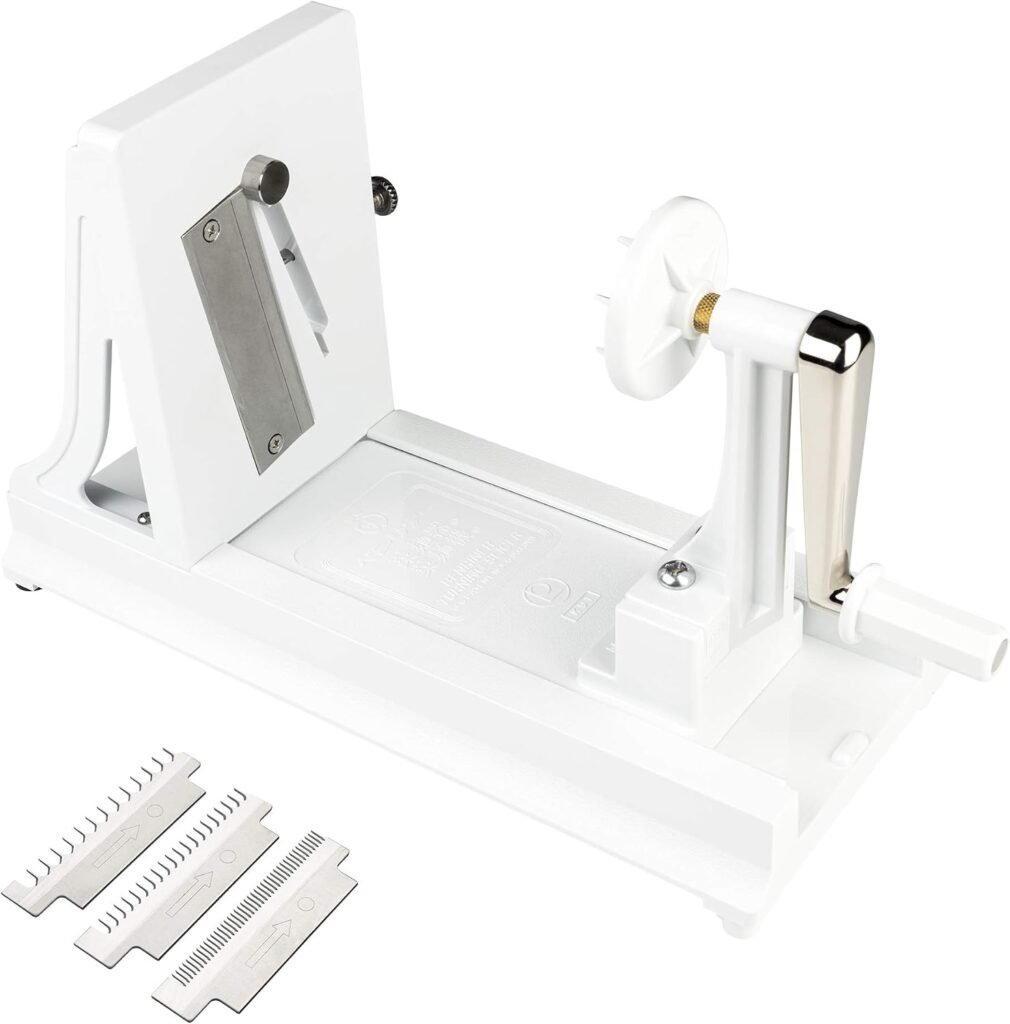
Horizontal White with 3 Blades
Perfect for decorating dishes, this tool offers adjustable cutting thickness from fine 0.3 mm slices to thicker 0.5 mm cuts, allowing for versatile.
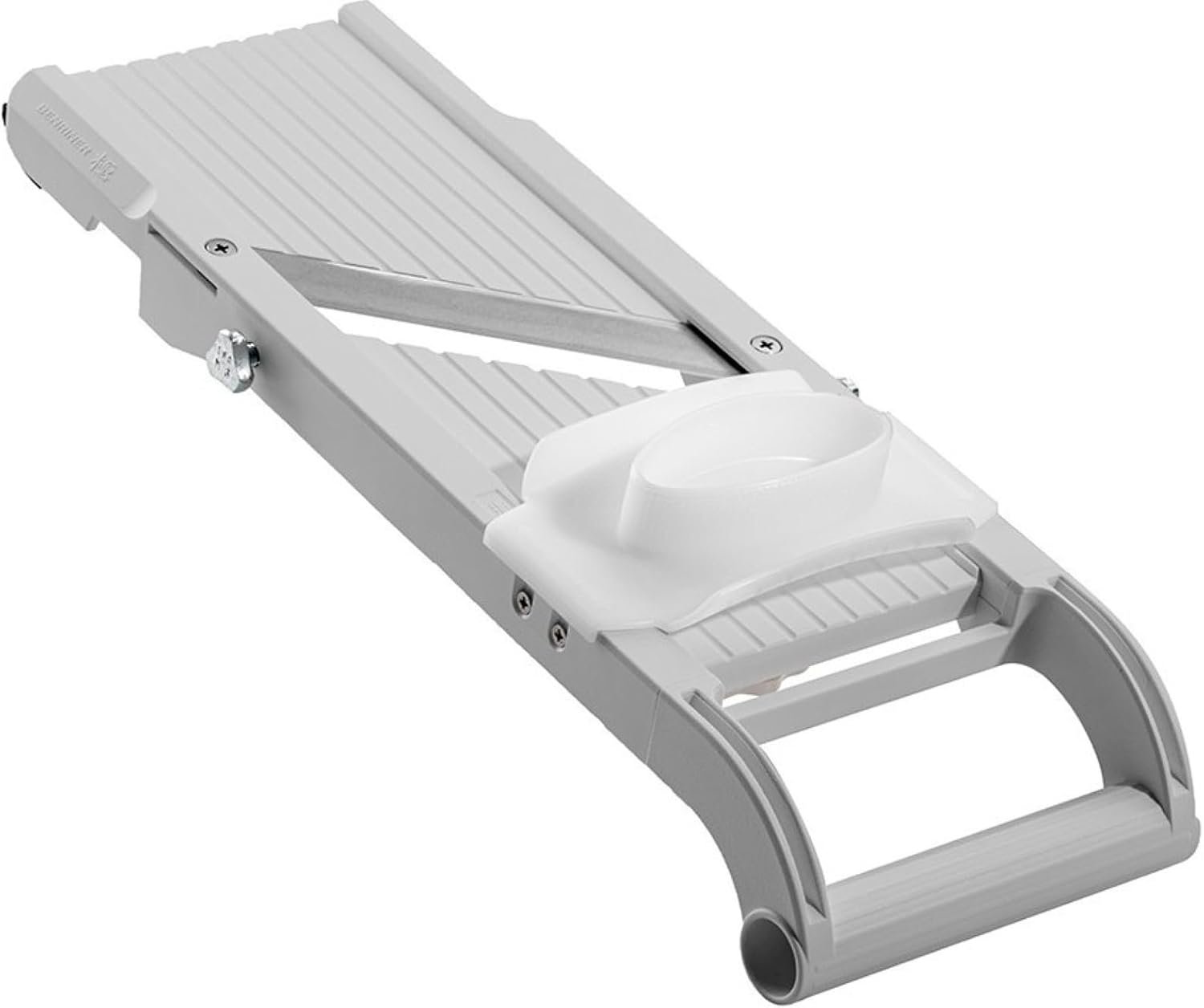
Slicer, Pole, Thickness Adjustment
The product measures approximately 14.9 inches (377.1 mm) in length, 5.2 inches (131 mm) in width, and 2.1 inches in height.
Stay in the Loop
New arrivals, tips, and announcements land directly in the inbox.
Categories
Slice Thin. Skip the Fuss.
Benriner makes mandolines for people who are tired of uneven slices and a drawer full of gadgets they never use. The name comes from the Japanese word for “convenient,” and that’s the whole idea: one sturdy blade, a few adjustments, and cucumbers, daikon, potatoes, or cabbage come out thin and even in a minute or two. We started with a plain question: why does paper-thin still take so much effort at home? Most kitchen tools add parts and settings, and we wanted to take them away.
That means we care about the things that only show up once you’re cooking. The blade has to stay sharp after a hundred onions, not just the first. The slices have to be the same thickness at the start of the pile and at the end, so the salad, the gratin, and the quick pickle all cook and soak evenly. It also has to rinse clean and dry fast, because a tool you dread washing ends up at the back of the cupboard. We’d rather build one thing that earns its spot on the counter than ten that don’t.
If you cook most nights, or prep for a crowd on weekends, or just want your vegetables to look like someone cared, this is for you. You already know the difference between slices that cook evenly and ones that don’t. We just make sure the tool is there when you reach for it.
Paper-Thin, Every Time

“I make cucumber salad for twelve every Sunday and used to dread the knife work. Now it’s four minutes, and every slice is the same thickness down to the last one.”
Hana S.

“The thickness dial is the reason I bought it. I can go from translucent daikon for sashimi garnish to chunky potato for gratin without hunting for a different tool.”
Luca B.

“It’s light enough that I can rinse it in the sink and store it in a drawer. My last mandoline was so bulky it lived in a cupboard I never opened.”
Dalia R.
Vegetable Prep Setup
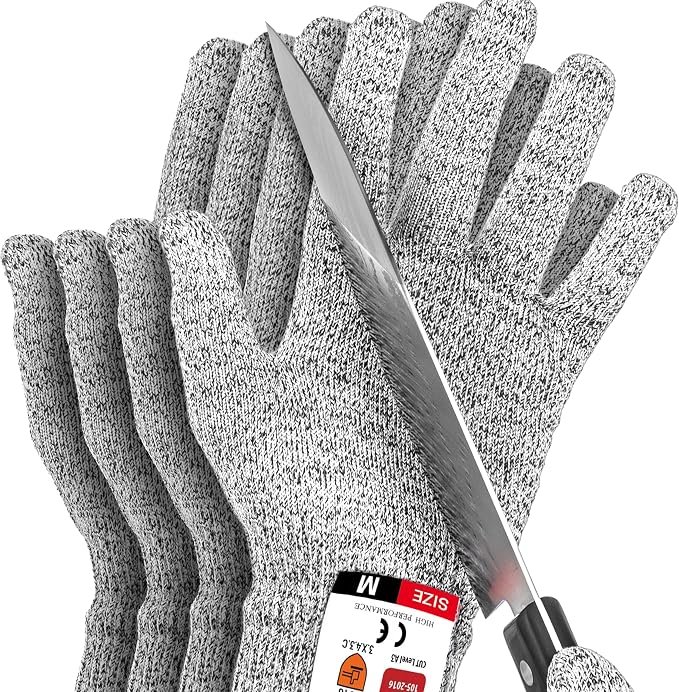
Cut-Resistant Gloves
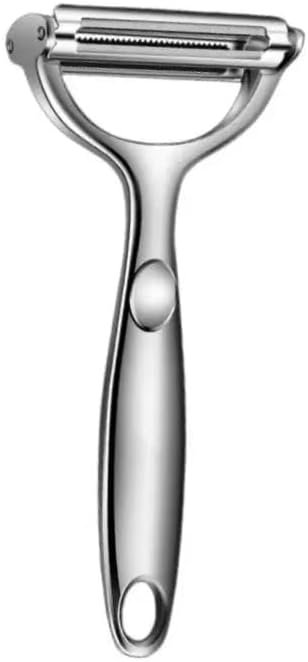
Julienne Peelers
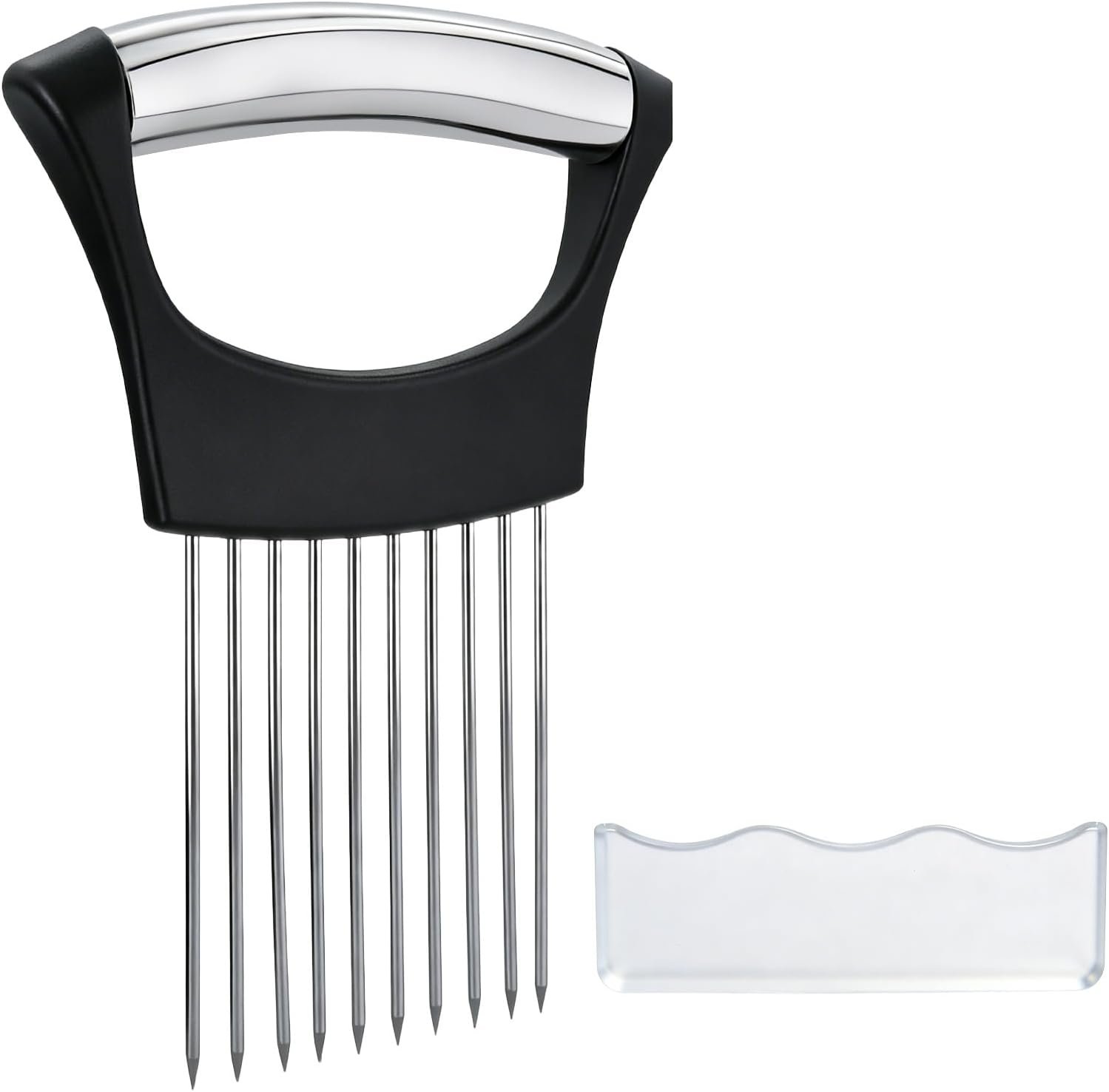
Vegetable Holders
Quick Answers Before Slicing
Most models use a dial or knob on the side to set thickness, usually from paper-thin up to a few millimeters. Interchangeable blades handle julienne strips in different widths, plus wavy and flat cuts, depending on what is included in the set.
Rinsing right after use stops starchy residue from drying onto the blade and plastic body. A soft brush or sponge works well for the cutting edge, moving along the blade rather than across it. Dishwashers are usually avoided, since heat and harsh detergent can dull the steel over time.
Firm vegetables and fruits such as cucumbers, carrots, radishes, potatoes, zucchini, and apples are the most common choices. Very soft produce like ripe tomatoes tends to squash instead of slicing cleanly, and hard items like winter squash or frozen foods can chip the blade or crack the body.
The hand guard that comes with it is meant to be used on every pass, especially toward the end of a vegetable when fingers get close to the blade. Cut-resistant gloves add another layer of protection, and keeping the blade pointed away from the body during cleaning and storage prevents most accidents.
A drawer slot or hook that keeps the blade covered and away from other utensils protects both the edge and anyone reaching in. Keeping it dry before putting it away helps prevent spotting or rust, and a protective cover, where one is included, adds extra protection from knocks.
Stainless steel blades usually hold their edge for a long time with regular home use, particularly when dried right after washing. Once slicing starts to feel rough or uneven, replacement blades are often sold separately, so the whole unit does not need to be swapped out.